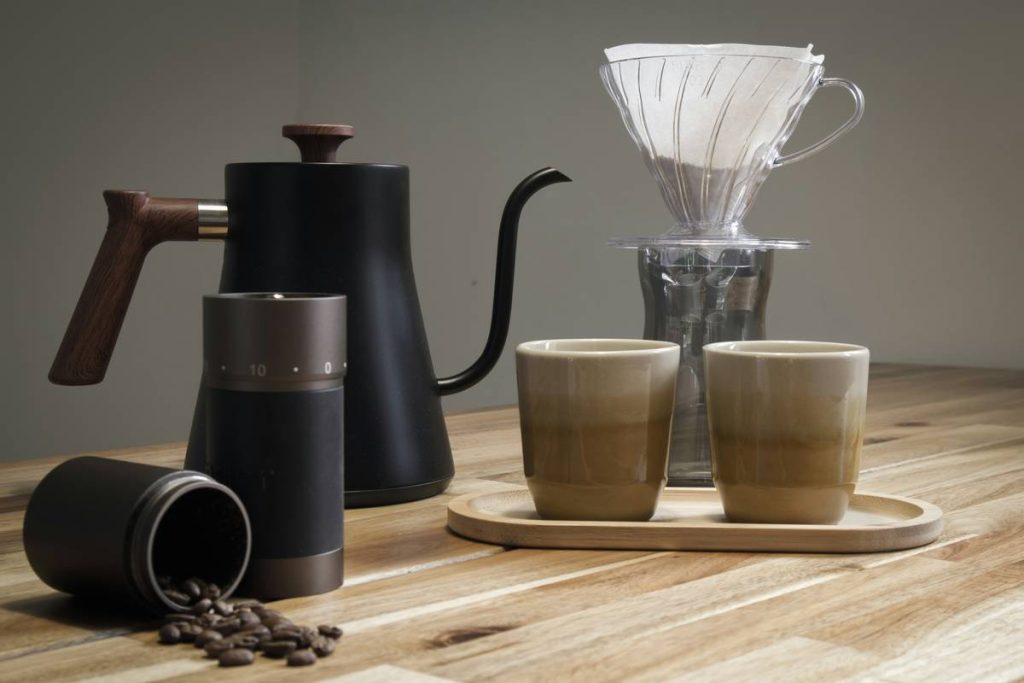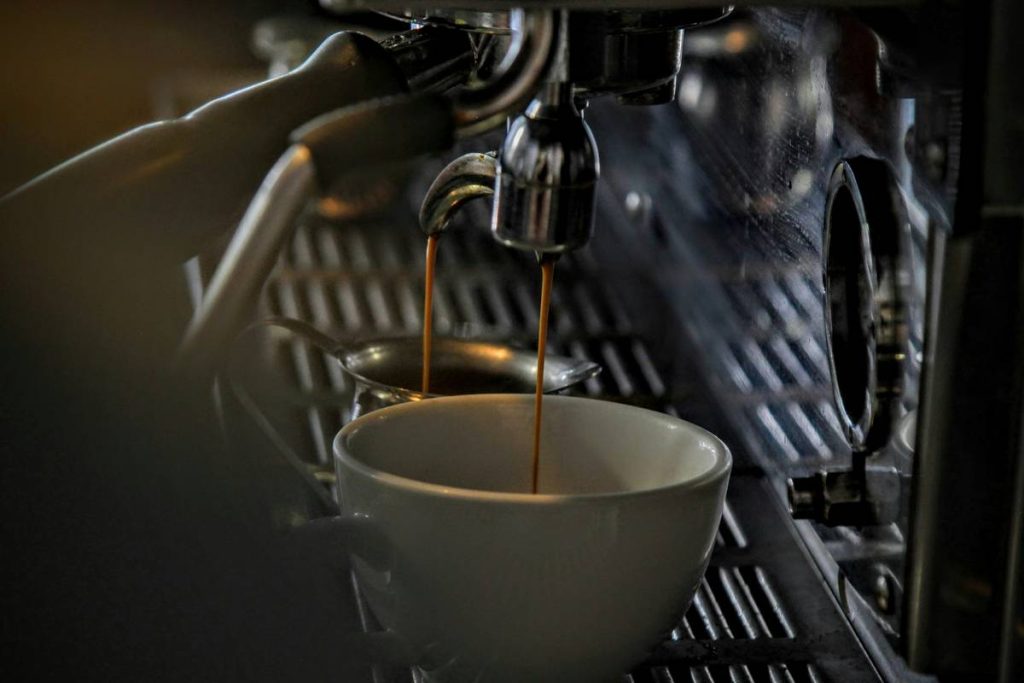
You’ve tried the drip machines. You’ve endured the pod waste. You’ve even wrestled with manual pour-overs before dawn. But your morning brew still tastes… off. Inconsistent. Lukewarm. Or worse—bitter, scorched, or weak. That’s because traditional coffee makers operate on dumb timers and fixed settings. They don’t adapt. They don’t learn. And they certainly don’t care if you’re craving a bold espresso-style shot or a delicate light roast at 6 a.m. Enter the smart and final coffee maker—not just another gadget, but the definitive end to your caffeine compromises.
Why Your Current Coffee Maker Is Failing You
Most “programmable” brewers are glorified on/off switches. Set it once, forget it forever. But coffee isn’t static. Bean freshness shifts weekly. Water hardness varies by season. Your mood changes daily. A rigid machine can’t compensate. And that’s why your fourth cup this week probably tasted flat—again.
Worse? Hidden scaling builds up silently. Thermal carafes lose heat fast. Cheap grinders (if included) create uneven particle sizes—guaranteeing muddled extraction. You’re not getting bad coffee because you’re picky. You’re getting bad coffee because your machine is blind.
Smart and Final Coffee Maker: Your Step-by-Step Path to Perfect Brews
Forget gimmicks. Real smart coffee means precision control + adaptive intelligence. Here’s how to leverage it:
Calibrate Your Water Profile First
Hard water? Soft? Your smart brewer’s mineral sensor (yes, some have them) adjusts temperature and flow rate accordingly. If yours doesn’t, use filtered water—and log your local TDS level in the companion app. Extraction improves instantly.
Master Grind-to-Brew Timing
Pre-ground beans oxidize within 15 minutes. If your smart and final coffee maker includes an integrated conical burr grinder, schedule grinding to start exactly 30 seconds before brewing. No built-in grinder? Buy freshly ground beans weekly—and store them in vacuum-sealed containers, not the fridge.
Leverage Geofencing for True Automation
Set your machine to begin preheating when your phone leaves work. By the time you unlock your front door, aroma fills the hallway—and your cup is ready. This isn’t luxury. It’s baseline expectation for modern smart appliances.
| Feature | Traditional Brewer | Smart and Final Coffee Maker |
|---|---|---|
| Brew Temp Control | Fixed (~190°F) | Adjustable (185–205°F), recipe-based |
| Remote Start | No | Yes—via app or voice (Alexa/Google) |
| Grind Integration | Rare / Low Quality | Precision burr grinder with dose memory |
| Maintenance Alerts | None | Auto-descaling reminders + filter life tracking |
| Average Cost per Cup | $0.45 (with pods or wasted grounds) | $0.22 (optimized bean usage + energy savings) |
The Industry Secret No Brand Will Admit
Here’s what engineers whisper at trade shows: most “smart” features are bolted on after design—not built in from day one. The real differentiator? Thermal stability during bloom phase. Water must pause at 200°F for 30 seconds to degas grounds properly. Yet 70% of mid-tier smart brewers skip this—they rush straight to full pour to hit “fast brew” marketing claims.
The fix? Choose models with explicit “pulse brew” or “pre-infusion” modes. Test it yourself: if the first 10 seconds produce only a slow drip (not a flood), you’ve got true extraction control. That’s the hallmark of a genuine smart and final coffee maker—not just connected, but calibrated.
Frequently Asked Questions
Does a smart and final coffee maker need Wi-Fi to brew?
No. Basic brewing works offline. Wi-Fi unlocks scheduling, remote start, firmware updates, and usage analytics—but your morning cup won’t vanish if the router dies.
Can it grind espresso-fine for stovetop Moka pots?
Only select models with multi-range grinders go that fine. Most stop at “fine drip.” Check burr adjustability specs—look for 30+ grind settings minimum.
How often does it need descaling?
Every 60–90 days, depending on water hardness. Smart units track water volume used and alert you automatically. Ignore it, and flavor suffers fast.